 03016533117
  info@alsaudiaherbal.store
 Punjab, Lahore

The Allure of Chance: Understanding Gambling Behavior
The psychology of gambling is deeply rooted in the human fascination with chance. When individuals enter a casino, they are often drawn by the excitement of winning, but it goes beyond mere luck. Gamblers experience a rush of adrenaline that fuels their desire to play. This thrill is amplified by the unpredictable nature of gambling, where each spin of the slot machine or roll of the dice can lead to unexpected outcomes, thereby creating an exhilarating environment, similar to the experience found in online casinos.

Additionally, the element of chance plays into our inherent need for hope and aspiration. Many gamblers find themselves envisioning a different life, one filled with luxury and leisure, as they chase the elusive jackpot. This psychological phenomenon is reinforced by the occasional wins that serve as a feedback loop, encouraging players to continue their gambling pursuits even when faced with losses.
The Role of Cognitive Biases in Gambling
Cognitive biases significantly influence the gambling experience, often leading players to make irrational decisions. One such bias is the illusion of control, where individuals believe they can influence outcomes in games of chance. This belief can encourage players to engage in more frequent gambling, despite the statistical randomness of the games they play. For example, a poker player may think they can outsmart their opponents through skill, even when luck plays a critical role.
Another relevant bias is the gambler’s fallacy, where players believe that past outcomes will influence future results. For instance, someone may think that a slot machine is “due” for a win after a series of losses. Such cognitive distortions can lead to problematic gambling behaviors, as individuals fail to recognize the true nature of randomness and probability in games.
The Impact of Environment on Gambling Choices
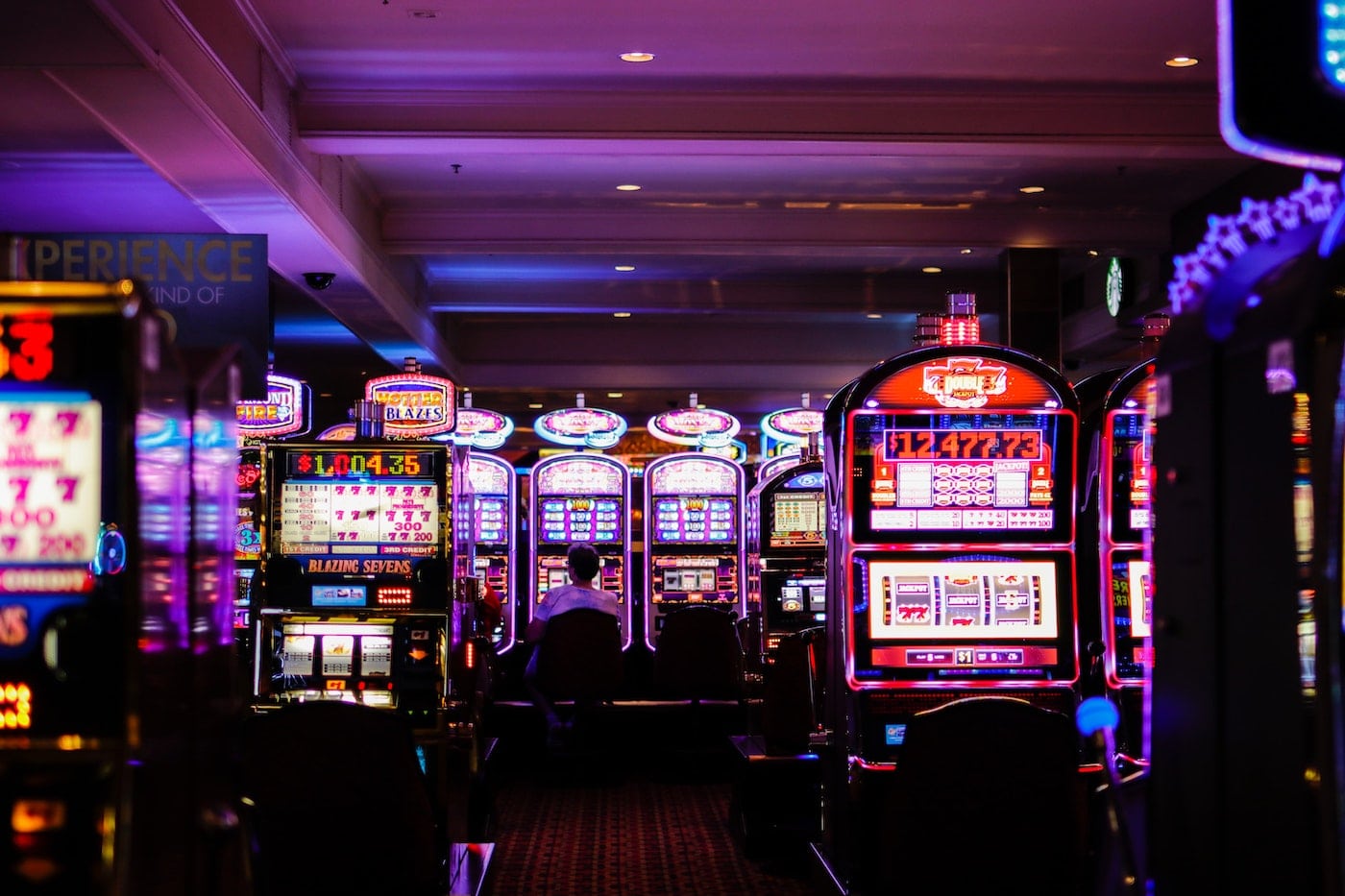
The environment of a casino plays a crucial role in shaping gambling behaviors. Casinos are designed to be visually appealing and sensory-rich, with bright lights, engaging sounds, and a stimulating atmosphere that heightens excitement. These features can lead to an immersive experience, making it easy for individuals to lose track of time and money. The layout of casinos is also strategically crafted to encourage patrons to move from one game to another, prolonging their stay and increasing their spending.
Moreover, social interactions within the casino setting can reinforce gambling behavior. The presence of other players, the ambiance of camaraderie, and shared excitement can positively influence an individual’s desire to gamble. Many people enjoy the social aspect of gaming, viewing it as a form of entertainment that provides a sense of belonging and community.
Addiction and the Psychology of Loss
Gambling addiction is a significant concern that stems from the psychology of loss and recovery. The emotional highs and lows experienced during gambling can create a cycle that is difficult to break. After a loss, a gambler might chase their losses, believing that a win can restore their confidence and finances. This chase can lead to increased risk-taking and more significant financial losses, perpetuating the cycle of addiction.
The emotional impact of losing can also trigger feelings of depression and anxiety. This emotional turmoil often drives individuals back to gambling as a means of coping with their negative feelings, thus reinforcing their addiction. Understanding this psychological cycle is vital for developing effective interventions for those struggling with gambling issues.
Understanding Casino Gaming from a Broader Perspective
The website serving as a valuable resource for exploring the psychology of gambling highlights the complexities behind casino gaming and why people engage in such activities. Despite facing access limitations, the platform aims to provide insightful information and professional guidance to individuals looking to understand the motivations and behaviors associated with gambling. It caters to a wide audience, from casual gamblers to those seeking help with addictions.
As user experiences can vary greatly, the website emphasizes the importance of a secure environment for visitors looking to learn or seek assistance. While the content may be temporarily restricted, the commitment to helping users navigate the intricate world of casino gaming remains a priority. Educating individuals about the psychological aspects of gambling is essential in fostering responsible gambling practices and promoting awareness of potential risks involved.