 03016533117
  info@alsaudiaherbal.store
 Punjab, Lahore

The Allure of Risk and Reward
The psychology of gambling is deeply rooted in the concepts of risk and reward. When individuals visit a casino, they are often drawn to the thrilling possibility of winning big. This excitement stimulates the brain’s reward system, releasing dopamine, a neurotransmitter associated with pleasure and excitement. In many cases, players may find engaging in an online casino just as exhilarating as visiting a physical venue. The anticipation of winning creates a sense of euphoria that can be hard to resist, compelling players to continue their gambling pursuits.
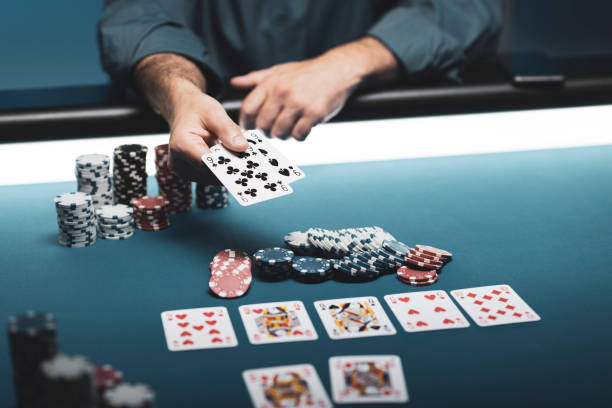
Moreover, this desire for reward can overshadow the rational considerations of potential losses. Players may ignore the statistical probabilities, focusing instead on the emotional high that comes with the chance of a win. Understanding this allure is crucial in examining why individuals choose to gamble, as it reflects a blend of psychological conditioning and impulsive decision-making.
The Role of Cognitive Biases
Cognitive biases play a significant role in gambling behavior. For instance, the “Gambler’s Fallacy” leads individuals to believe that past events influence future outcomes, despite each game being independent. A player might think that a slot machine is “due” for a win after a series of losses, which encourages continued play, often leading to further losses.
Another prevalent bias is the “illusion of control,” where players feel they can influence the outcome of games, especially in skill-based games like poker. This mindset fosters a false sense of security and can lead to increased gambling as players believe they have an edge. Recognizing these cognitive biases is essential in understanding the choices made by casino patrons.
The Influence of Social Factors
Social dynamics significantly impact gambling choices. The presence of peers can enhance the excitement of gambling, promoting more aggressive betting behaviors. Many individuals gamble as a social activity, finding enjoyment in the shared experience with friends or family. These social interactions can reinforce gambling behavior, as individuals may feel encouraged to continue playing to maintain a positive group atmosphere.
Additionally, cultural attitudes towards gambling shape individual choices. In some cultures, gambling is seen as a form of entertainment or a rite of passage, while in others, it may be viewed negatively. These societal perceptions contribute to how individuals engage with casinos, influencing both their frequency of visits and types of games played.
The Impact of Environment and Design
The physical environment of a casino plays a crucial role in shaping gambling behavior. Casinos are often designed with interiors that stimulate the senses, featuring bright lights, loud sounds, and the appealing scent of fresh beverages. This atmosphere can create a sense of excitement and urgency, encouraging visitors to gamble longer than they initially planned.
Moreover, the layout of games and machines is strategically planned to maximize player engagement. The accessibility of slot machines and table games can reduce the likelihood of players taking breaks, promoting prolonged gambling sessions. By understanding how environmental design influences behavior, casinos can further tailor experiences to enhance customer satisfaction and increase revenue.

Conclusion about our website
In conclusion, the psychology behind casino gambling choices is a complex interplay of emotional, cognitive, and social factors. From the thrill of risk to the influence of peers and environment, understanding these dynamics can provide valuable insights for both players and casino operators.
Our website aims to explore these themes further, providing resources and information for those interested in the psychology of gambling. We prioritize user experience, ensuring a secure and engaging platform for those seeking to delve deeper into the world of casino gaming and its psychological implications.